Winter Hillside Erosion Tips | Tuolumne County
Welcome to Livingstone Earthwerx News and Blogs for Local Community
Motherlode-Local News, Blogs and DYI Tips for Homeowners
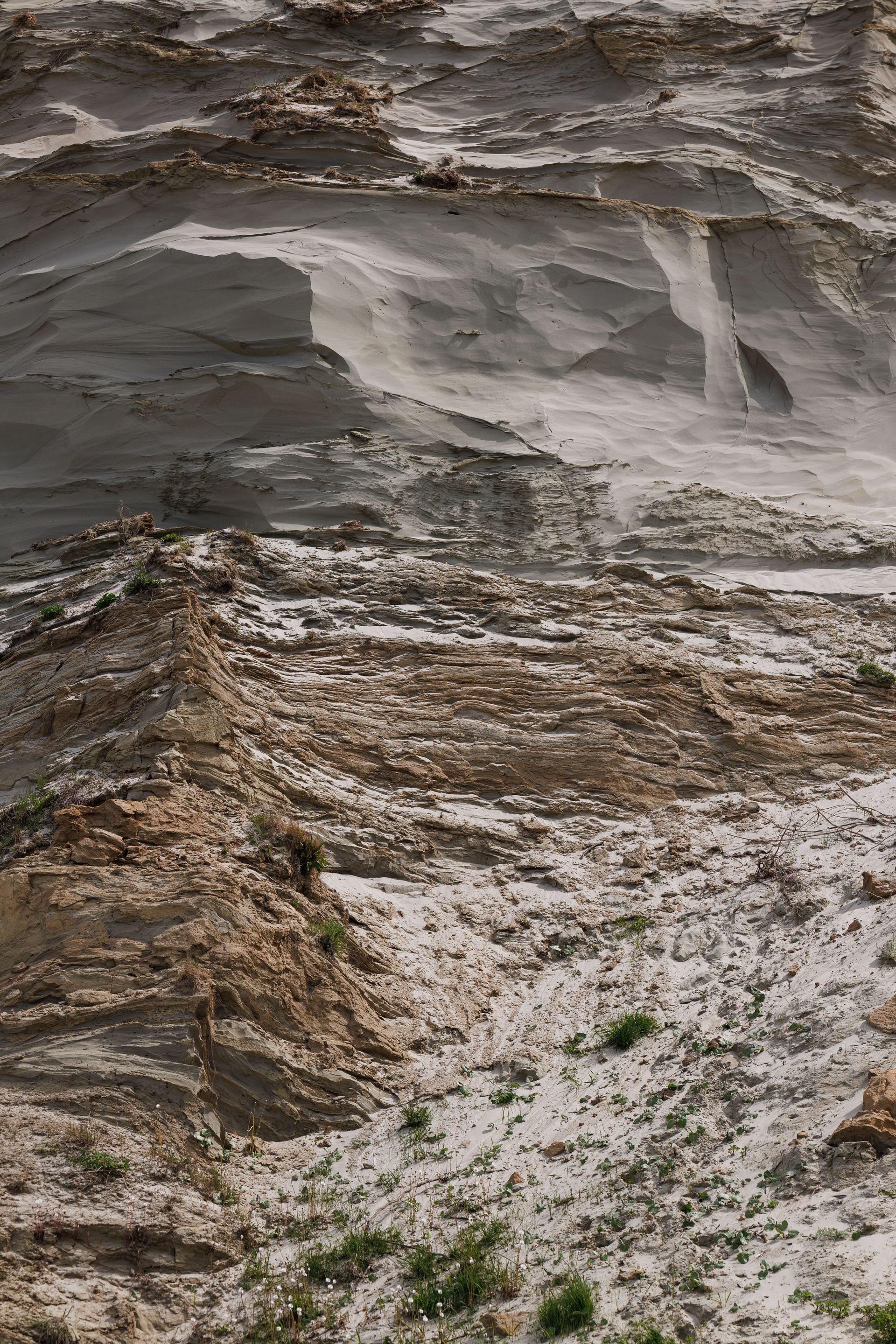
How to Protect Slopes and Retaining Walls From Winter Erosion
Many Tuolumne County homes are built on hillsides or properties with significant elevation changes. These lots often depend on properly shaped slopes, retaining walls and drainage systems to keep soil and water under control.
When heavy rain saturates the ground, water can begin carrying soil downhill, cutting channels through exposed areas and adding pressure behind retaining walls. A pre-winter inspection can help you find trouble before the next major storm.
Look for Early Signs of Erosion
Erosion usually begins with small changes that are easy to overlook.
Walk the property and look for:
- Narrow channels forming in the soil
- Exposed roots
- Loose soil collecting downhill
- Bare areas where vegetation has disappeared
- Small sections of a slope beginning to collapse
- Mud or sediment appearing on roads and walkways
- Water flowing over the top of a retaining wall
These warning signs can show where runoff is becoming concentrated.
Check Where the Water Comes From
The damaged area is not always where the drainage problem begins.
Water may be traveling from a roof, driveway, neighboring hillside or blocked ditch before reaching the slope. Repairing the eroded ground without correcting the source of the runoff may only provide temporary results.
Watch the property during a light or moderate rain from a safe location. Follow the water’s path and photograph any areas where it begins gaining speed or cutting into the soil.
Inspect Retaining Walls Carefully
Retaining walls hold back soil while often managing water behind the structure. When drainage becomes blocked, saturated soil can create additional pressure against the wall.
Warning signs may include:
- Leaning or bulging sections
- New or widening cracks
- Separating blocks or timbers
- Soil washing through the wall
- Water spilling over the top
- Persistent wet areas near the base
- Sinkholes or settling behind the wall
Do not add heavy material behind a damaged wall or attempt to push it back into place. A leaning or failing retaining wall should be evaluated by an appropriately qualified professional.
Keep Drainage Open Above the Slope
Swales, ditches and drain inlets above a hillside help prevent water from flowing directly down the face of the slope.
Remove safe and accessible debris before winter. Check that outlets remain open and confirm that discharged water is not creating a new erosion problem farther downhill.
If runoff repeatedly overwhelms the existing drainage, the property may need additional grading, a larger drainage route or erosion-control improvements.
Protect Exposed Soil
Bare soil is more vulnerable to winter rain. Depending on the property, protection may include vegetation, erosion-control blankets, mulch, rock or other stabilization methods.
The correct approach depends on the steepness of the slope, soil conditions and amount of runoff. Surface protection works best when the water has already been given a controlled path around or across the area.
Know When to Stay Away
If you notice moving soil, falling rock, rapidly growing cracks or a retaining wall changing position during a storm, keep people, pets and vehicles away from the area.
Do not work below an unstable slope or stand near a wall that appears likely to fail. Contact an appropriately qualified professional once it is safe to evaluate the property.
Prepare Before the Ground Is Saturated
Hillside repairs are generally easier to plan before repeated storms soak the soil. Correcting drainage early can help protect slopes, retaining walls, driveways and nearby structures throughout the winter.
For additional warning signs around the property, read our guide to winter drainage problems.
Livingstone Earthwerx helps Tuolumne County property owners improve hillside drainage, correct erosion and prepare difficult terrain for long-term use.
To discuss your hillside excavation or drainage project, call Mathan at 209-897-1015 or schedule a site walk at livingstone.earth.